
What Is Incremental Cash Flow?
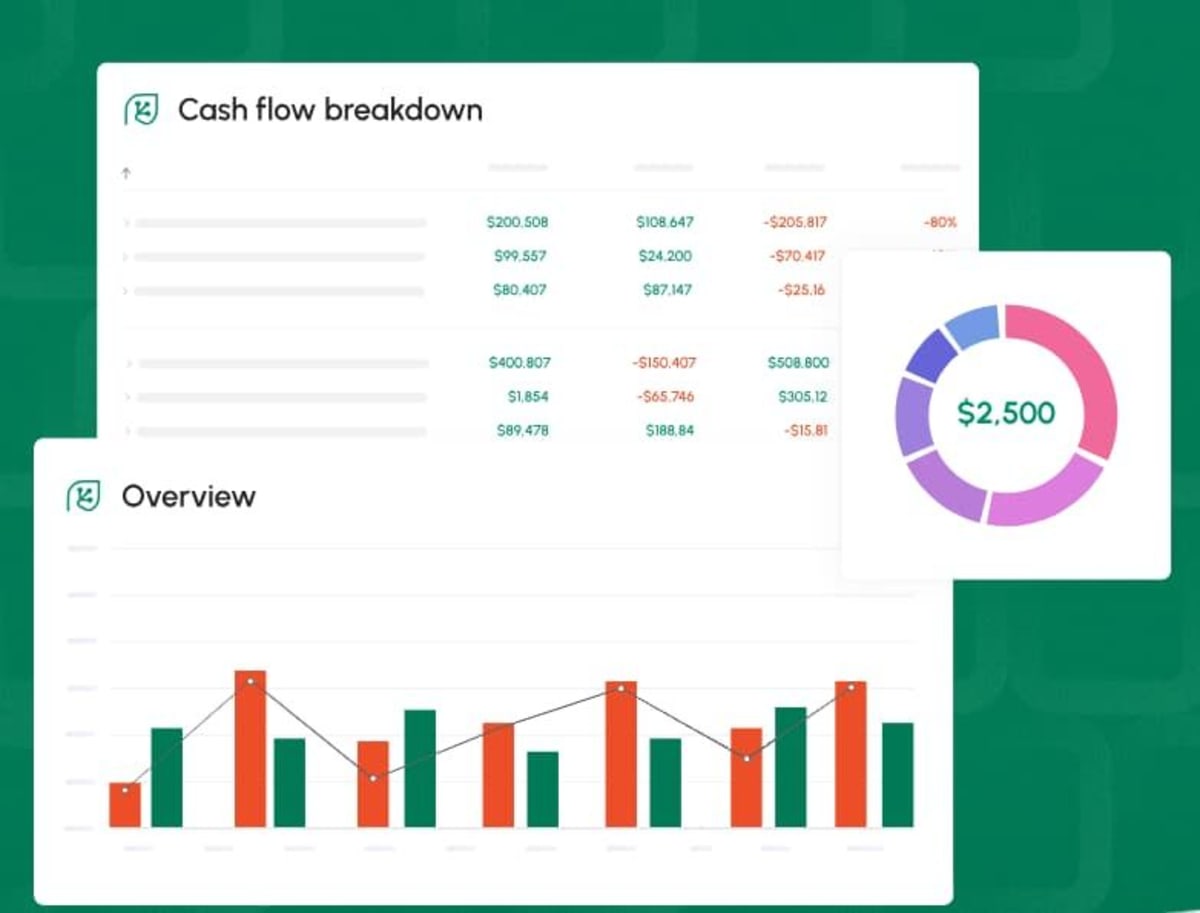
Incremental cash flow is the extra cash a single decision adds or removes, compared with not making it. You estimate the cash a project brings in, subtract the cash it costs, including the upfront investment, and the difference is the incremental cash flow. A positive number means the decision puts more cash in the business. A negative one means it drains cash. It ignores money you would spend either way, such as rent or existing salaries, which makes it the right basis for a go or no-go call.
Incremental cash flow = (cash inflows from the project − cash outflows from the project) − initial investment
Discover the true incremental cash flow meaning in every forecast.
Discover the true incremental cash flow meaning in every forecast.
Sign up today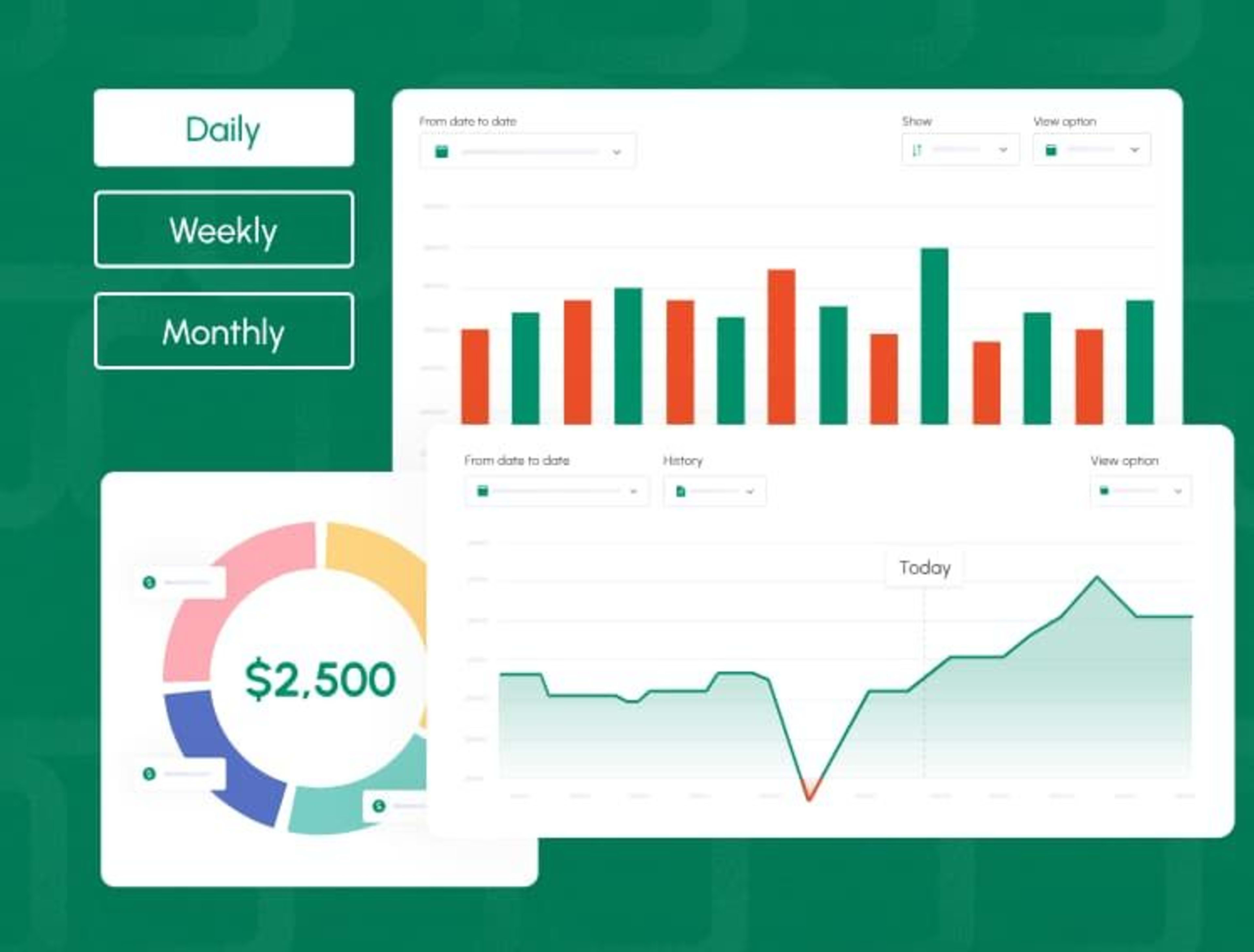
Daily, weekly, and monthly view of financial data on Cash Flow Frog | source: cashflowfrog.com
How to Calculate Incremental Cash Flow Step by Step
| Step | What to do | Example |
|---|---|---|
| 1. Estimate cash inflows | Identify new sales, savings, or added efficiency | +$200,000 |
| 2. Record cash outflows | Include materials, labor, marketing, and utilities | −$120,000 |
| 3. Apply taxes | Calculate tax on project profit before depreciation | −$20,000 |
| 4. Add back depreciation | Return the non-cash expense for its tax benefit | +$3,750 |
| 5. Adjust for working capital | Account for extra inventory or delayed payments | −$10,000 |
| 6. Subtract the initial investment | Deduct equipment or setup costs | −$50,000 |
Result: incremental cash flow = $3,750. A positive figure signals gain. A negative figure means the project needs new pricing or lower costs before it goes ahead.
How Is Incremental Cash Flow Different from Regular Cash Flow
Regular cash flow shows the whole business: every sale, cost, tax, and payment. Incremental cash flow narrows to only what changes when one new initiative enters the mix. A business can have healthy total cash flow and still make a bad project decision. A manufacturer with strong overall profit can lose money on a new product line, because the loss gets absorbed into the total.
Marginal cash flow is a related idea: it measures the change from producing slightly more of what you already make. Regular cash flow keeps the lights on. Incremental cash flow tells you which new opportunities are worth pursuing.
What Goes Into the Incremental Cash Flow Formula
Inflows are the money a project brings in from new sales or from savings it creates. Outflows are the costs the project adds. The initial investment is what you pay upfront. When the estimates are honest, the formula gives a clear answer on whether the project helps or hurts the bottom line.

Planned vs Actual cash flow data on Cash Flow Frog | source: cashflowfrog.com
Taxes, Depreciation, and Working Capital
Tax can turn a profitable idea into a disappointment. Extra income raises taxable profit, and deductible costs lower it. Depreciation is non-cash but still matters, because it reduces taxable income and changes how much cash the business keeps after tax.
Working capital shifts too. More sales can mean larger inventory or longer payment terms, and both tie up cash. Including tax and working capital effects gives a full picture and fewer surprises later.
Real-World Examples of Incremental Cash Flow
- In manufacturing, a new machine costs $250,000 and cuts $60,000 a year in labor and repair expenses. Incremental cash flow shows when the savings cover the cost and the investment starts producing gain.
- In software, a firm launches a cheaper plan. New customers arrive, but some existing users switch down, so revenue rises while profit falls. Incremental cash flow exposes that risk before launch, in time to adjust pricing.
Built for business owners, accountants, and finance teams who want more than an incremental cash flow definition.
Built for business owners, accountants, and finance teams who want more than an incremental cash flow definition.
Try todayWhy Incremental Cash Flow Matters in Capital Budgeting
In capital budgeting, companies decide where to put long-term funds. Incremental cash flow is the filter that separates strong projects from weak ones. It feeds Net Present Value and Internal Rate of Return, and both depend on accurate cash projections. A project with steady positive incremental cash flow signals strength. One that struggles to stay above zero is a warning.
Common Mistakes When Interpreting Incremental Cash Flow
- Including sunk costs. Money already spent cannot change, so it does not belong in the calculation.
- Ignoring opportunity cost. Staff and equipment committed to one project cannot serve another.
- Missing cannibalization. When a new offering takes sales from an existing one, the lost income reduces the incremental benefit.
- Ignoring timing. A project can show strong revenue on paper while late payments and early expenses strain cash.
Tools to Track and Project Incremental Cash Flow
Spreadsheets work, but they leave room for manual error. Cash flow software like Cash Flow Frog builds projections that update as the numbers change, so you can test a scenario by changing one input, such as sales growth or a cost increase, and see the cash flow respond right away. The planned vs actual view then shows whether a project is building cash or draining it.
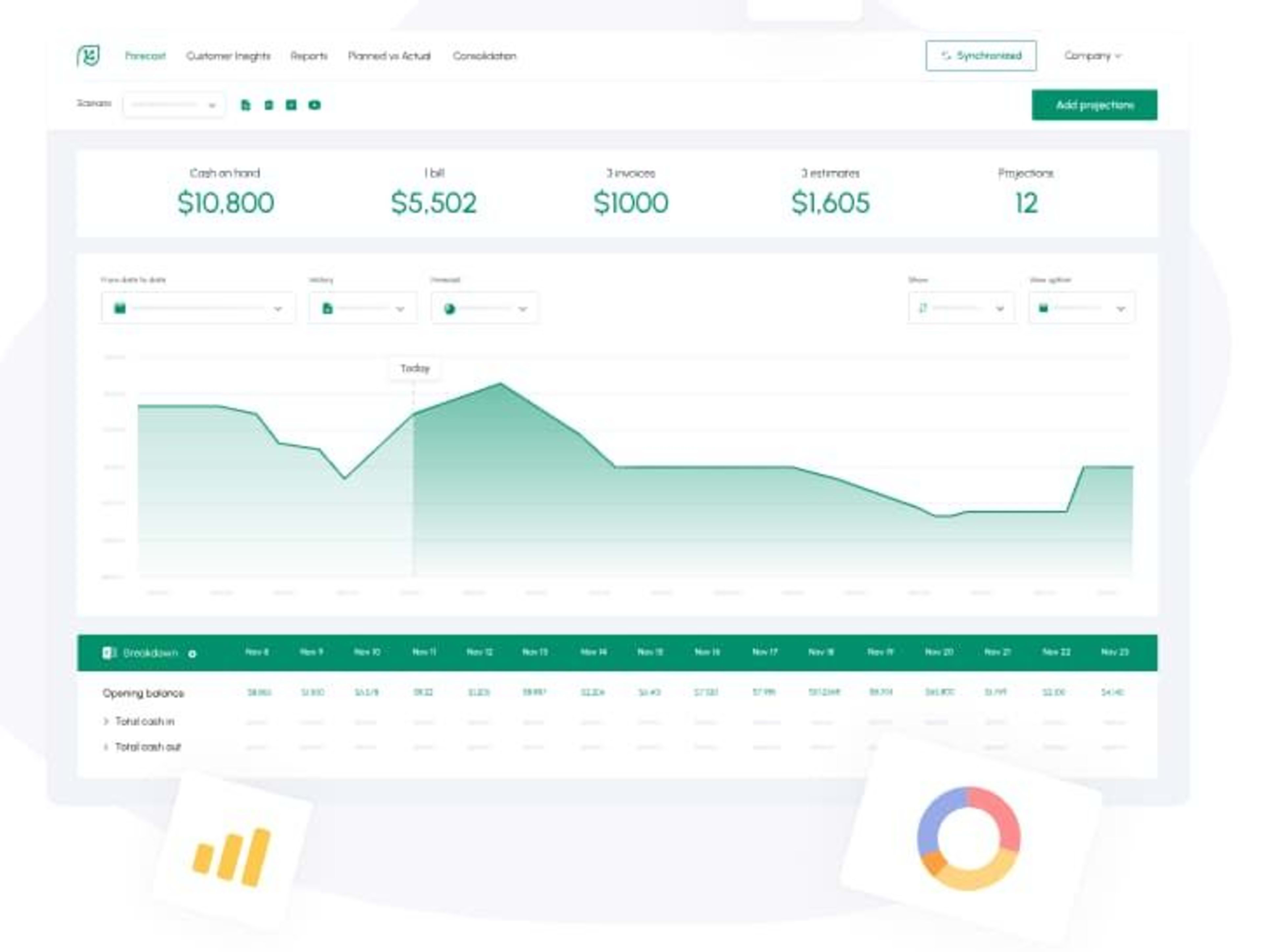
Business cash flow forecast dashboard showing incremental cash flow projections and real-time inflows and outflows. | source: cashflowfrog.com
How Incremental Cash Flow Affects Your Cash Flow
Every project decision lands in the same place: the company's cash flow forecast. Incremental cash flow is the project-level view. The forecast is the whole-business view that shows whether the combined decisions leave enough cash for payroll and supplier payments. Running incremental estimates inside a rolling cash flow forecast, instead of a one-off spreadsheet, keeps each project's numbers connected to current performance. Cash Flow Frog builds that forecast automatically from your accounting software, updates it daily, and lets you drill into the transactions behind any month. Related reading: rolling cash flow.
Start building smarter project cash flow forecasts with Cash Flow Frog.
Start building smarter business project cash flow forecasts and make confident decisions backed by data with Cash Flow Frog.
Start nowRelated Terms
FAQ
What does a positive incremental cash flow mean?
Are sunk costs included in incremental cash flow?
How does cannibalization affect incremental cash flow?
Can incremental cash flow be used for short-term projects?
Looking for more help?
Visit our help center to find answers to your questions about CashFlowFrog.
Trusted by thousands of business owners
Start Free Trial Now