
10 Cash Management Trends for 2026
 Ariel Gottfeld
Cash management trends are changing fast as finance teams face new risks, new tools, and higher expectations. In 2026, cash is not just a number in a bank account. It is a live system that needs constant care. The companies that stay ahead will do it with better visibility, smarter forecasting, and tighter control. Let’s walk through the most significant shifts shaping the next year.
What Cash Management Means Today
Cash management used to be mostly reactive. You checked balances, paid bills, and hoped the timing worked out. Today, it is strategic. It blends data, process, and decision-making into one loop. If you run out of cash, growth stalls. If you hold too much, you waste an opportunity. So modern teams focus on balance, speed, and resilience.
Visibility, Liquidity, and Short-term Decisions
These three ideas define cash management today. They guide how teams track cash, protect liquidity, and make quick calls when conditions shift.
- Visibility. You need to know where cash sits across accounts, entities, and currencies.
- Liquidity. You must be able to turn assets into usable cash quickly.
- Short-term decisions. You plan week to week, sometimes day to day.
That is why real-time liquidity visibility has become a core goal. It lets leaders act before a gap appears. It also powers better budgeting and investment moves.
Why Cash Management Trends Matter Now

Image: Cash Management Trend Chart | Freepik
2026 is shaping up as a year of mixed signals. Interest rates may still be high in many markets. Supply chains remain uneven. Customer payment behavior is less predictable. At the same time, new platforms are making treasury automation easier and cheaper.
These cash management trends matter because:
- Cash pressures show up faster than before.
- Manual work cannot keep up with transaction volume.
- Stakeholders want clearer answers. Boards, lenders, and investors expect stronger reporting.
- Security threats are growing, especially in payments.
You can’t fix cash issues with last year’s playbook. So, you need to align with cash management industry trends 2026 and build the right stack now.
Trend #1 - Real-Time Cash Visibility
The first big shift is real-time cash visibility. Teams want a live picture of cash across all banks and accounts. Not a report from last Friday. Not a spreadsheet patchwork. But why now? Because cash flow trends move too quickly. A delayed view means delayed action. Real-time insights help you:
- Spot shortages early
- Time payments with less risk
- Manage FX exposure
- Avoid surprise overdrafts
Multi-bank Views Without Spreadsheets
More firms are moving to multi-bank dashboards. These tools pull balances and transactions from many banks into one screen. It cuts hours of manual consolidation. It also reduces error risk.
Expect this to be one of the most common cash management trends in mid-sized and enterprise firms, especially those with regional banking setups.
Trend #2 - Automation Over Manual Work

Image: Automated Cash Flow Monitoring | Freepik
Automation is no longer optional. It is standard. Pressure is coming from two sides. Transaction counts rise. Finance teams stay lean. This trend includes:
- Automated bank feeds
- Auto-categorized inflows and outflows
- Treasury automation for payment runs
- Rule-based cash sweeps
- System triggers for anomalies
These workflows save time. They also protect accuracy, which is vital for clean forecasting.
Automated Reconciliation and Alerts
Reconciliation is a high-friction process. It also causes delays. Automated matching between bank transactions and ERP entries solves both. Alerts are just as important. Think of the following:
- Low balance warnings
- Unusual payment spikes
- Late customer receipts
- Covenant triggers
As cash flow trends keep shifting, alerts are how teams stay ahead. If you want that kind of early warning built in, Cash Flow Frog makes it easy to track cash in real time, spot risks early, and forecast with confidence.
Trend #3 - AI in Cash Flow Forecasting
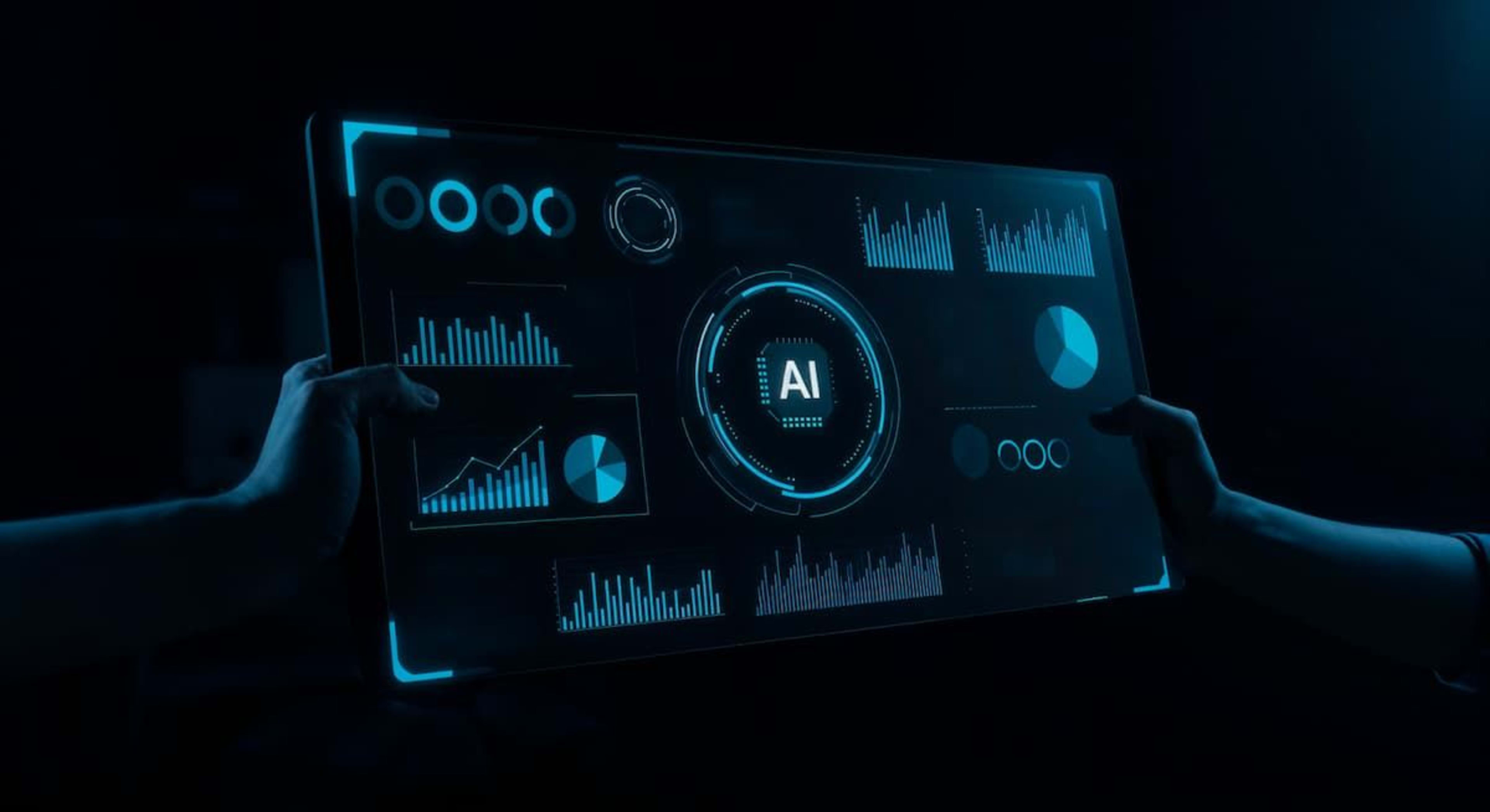
Image: Cash Forecasting via AI | Freepik
AI is seriously stepping into forecasting. We are moving beyond simple trend lines. AI cash predictions can read patterns humans miss. They learn from history, seasonality, customer habits, and macro factors.
In practice, this supports:
- Smarter short-term forecasts
- Rolling 13-week models
- Stress-tested scenarios
- Automated cash forecasting updates
This is central to trends in cash flow forecasting 2026. It turns forecasting into a living model, not a static file.
Predictive Models and Scenario Planning
Predictive models do two things well. First, they pull data from across your systems and turn it into a clear forward view. Second, they reduce human bias by relying on patterns rather than gut feel. They estimate future cash based on past behavior, then update quickly as new data arrives.
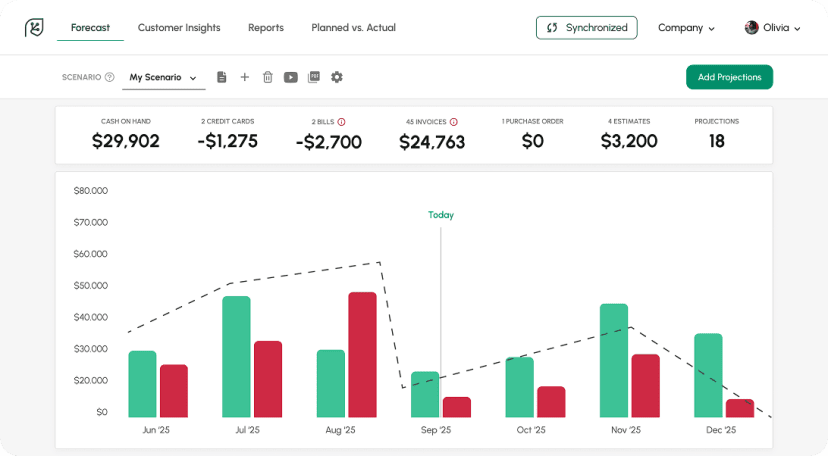
That pairs well with scenario planning finance. You can ask, “What if sales drop 8% next quarter?” or “What if payables stretch by 10 days?” The tool answers in seconds. Companies using a Cash Flow Forecasting Software platform with built-in AI will likely outperform those stuck on manual spreadsheets.
Trend #4 - Rising Security Expectations
Security is now a cash function. Payment fraud is more sophisticated. Phishing is smarter. And real-time payments create less room to undo mistakes. This trend includes stronger:
- Payment security controls
- Multi-factor approvals
- Role-based access
- Audit trails
- Vendor validation processes
Boards want proof that controls are real. So security becomes part of daily cash management. A quick win is tightening approval workflows for high-value payments. Another is using anomaly detection to flag risky transactions.
Trend #5 - API Banking and Faster Payments

Image: Online Banking | Tonodiaz | Freepik
API banking is growing fast. It lets systems connect directly to banks. No file uploads. No delays. Just flow. API bank connections support:
- Instant balance pulls
- Real-time payment initiation
- Automated confirmations
- Faster global transfers
This is tied to broader cash management trends around speed. Faster payments mean faster forecasting updates. They also reduce float uncertainty. By 2026, not using APIs may feel like not using email. It will still work. But it will be slow.
Trend #6 - Centralized Cash Control for Multi-Entity Firms
Multi-entity firms face a special nightmare. Cash is scattered. Visibility is weak. Internal transfers are messy. Compliance varies by region. So, firms are centralizing cash control. They want one treasury view across subsidiaries. Often with:
- Shared forecasting rules
- Pooled cash positions
- Intercompany netting
- Standardized processes
This is one of the key cash management industry trends 2026 for groups expanding across borders. Centralization also helps manage debt and investments. When cash sits in silos, you borrow more than you should. When it is centralized, you use what you already have.
Trend #7 - Working Capital Efficiency

Image: Business Capital Monitoring | jannoon028 | Freepik
Working capital is the heartbeat of cash. So, teams are focusing on efficiency rather than just monitoring. This trend is about squeezing more value out of normal operations.
Common moves include:
- Shortening receivables cycles
- Optimizing inventory levels
- Extending payables carefully
- Renegotiating supplier terms
Many firms now use cash flow analysis tools to spot friction points. For example, customers who always pay late. Or product lines that drain cash from inventory. Of course, this is not a one-time fix, but it is a continuous cash discipline. And it strongly shapes cash flow trends across industries.
Trend #8 - Cash Tools Move Fully to the Cloud
Cloud adoption in finance is not new, but cash tools going fully cloud-native is a clear 2026 shift. Cloud platforms bring:
- Faster onboarding
- Always-on updates
- Easier integrations
- Better remote access
- Higher scalability
They also support automated cash forecasting and real-time dashboards more cleanly. If you are still running desktop treasury software, you will feel left behind soon. Cloud is now the baseline for modern cash management trends.
Trend #9 - More Scenario Stress-Testing
Stress-testing is going mainstream. It used to be a big-bank thing. Now, mid-market firms do it too. Why? Because volatility is normal now. Teams want to test how resilient cash is under pressure.
Stress-testing models may look at:
- Revenue shocks
- Margin shrink
- FX swings
- Interest rate jumps
- Supply disruptions
These are central to trends in cash flow forecasting 2026. You do not just forecast one path. You forecast many. Then you plan actions for each one. A good Financial Forecasting Tool makes this much easier. It lets you store scenarios and compare them side-by-side.
Trend #10 - Better Collaboration Across Finance Teams

Image: Finance Department Meeting | Pressfoto | Freepik
Cash is not owned by one person. It touches treasury, FP&A, accounting, AR, AP, and leadership. So collaboration matters more.
Teams are improving collaboration by:
- Using shared dashboards
- Standardizing cash definitions
- Aligning forecast assumptions
- Holding weekly cash huddles
- Linking cash plans to budget cycles
Better collaboration reduces conflict. It also produces clearer decisions. Expect this to be one of the quieter but most valuable cash management trends in 2026. Cloud systems help too. Everyone sees the same data at the same time.
What These Trends Signal for the Future
Taken together, these cash management trends point to a clear direction. Finance teams are moving away from reactive cash tracking and toward a more proactive, always-on approach. In short, cash management is becoming a real strategic advantage, not just a back-office task.
Cash management is becoming:
- more real-time
- more automated
- more predictive
- more secure
- more team-based
Cash flow trends will stay volatile. That part is not going away. But tools and processes are improving fast. The best teams will spend less time gathering data and spend more time acting on it.
If you want to stay aligned with 2026 cash management industry trends, start by improving visibility and forecasting. Everything else flows from there. Ultimately, utilize a Financial Reporting Software that ties cash results back to performance in a way leaders understand.

The 3 Types of Cash Flow: What They Mean and Why They Matter
Read more
New: Setting threshold
Read more

5 Key Financial Metrics Every Business Owner Should Track
Read more

What Is Profitability Analysis and How to Do It?
Read more

Best QuickBooks Online apps
Read more

How To Calculate Adjusted EBITDA and Why Is It So Important?
Read more
FAQ
The biggest cash management trends are real-time cash visibility, automation, AI forecasting, and stronger security. Cloud tools and API banking are also major drivers.
Because payment behavior, cost pressure, and market volatility keep shifting. That is why trends in cash flow forecasting for 2026 lean on AI and stress testing.
AI cash predictions learn from history and update quickly with new data. They improve accuracy, especially for short-term needs. They also support finance scenario planning.
They can work for minimal setups. But they struggle with scale, speed, and error risk. Most cash management trends point away from spreadsheets and toward automation.
It means seeing current balances and cash positions across all accounts instantly, not after manual updates. It is key to making fast decisions.
API bank connections give direct data flow. You get instant balances and faster payments. That reduces uncertainty in cash flow trends.
Many teams forecast weekly or daily. Rolling forecasts are common. Automated cash forecasting tools make frequent updates easier.
Start by centralizing your cash data. Then build forecasting discipline. Those steps support every other trend on this list.
Trusted by thousands of business owners
Start Free Trial Now