
Your Guide To Financial Metrics And KPIs
 Ariel Gottfeld
Running a business becomes much easier when you understand financial KPIs & metrics, because they turn all the moving parts of your financial world into something you can actually follow. In this guide, we break down the numbers that actually matter, in plain language, so you can understand what’s going on in your business and make decisions without second-guessing yourself.
What Financial Metrics And KPIs Actually Mean
Before we get into the numbers, let’s clear something up. People toss around words like “metrics” and “KPIs” constantly, but most business owners just want to understand what’s actually happening in their day-to-day. And when things feel scattered, or you’ve got a dozen decisions competing for your attention, having something concrete to look at makes a big difference. It helps you spot problems earlier, make sense of patterns, and understand what actually needs your focus.
What Are Financial Metrics
Financial metrics are the basic numbers that show what’s happening in your business. Revenue, expenses, cash in the bank, and the profit you kept last month all give you a clearer picture of reality, especially when your intuition feels off.
The real value of financial metrics comes from tracking them consistently. Looking at them once gives you a quick snapshot, but watching them over time shows patterns. You start to see which decisions help, which ones don’t, and where things depend more on luck than planning. This is where financial metrics analysis becomes useful, as the trends provide clarity and help you stay in control of the business.
What Are KPIs
If metrics show you the whole picture, KPIs show you the bullseye. When those goals are financially focused, you use financial KPIs.
Maybe you want a predictable cash flow. Perhaps you want stronger profits. Maybe you want to understand how much you can afford to invest in growth. These are situations where KPIs shine. They help you stay focused rather than drown in numbers. Some business owners keep a short list of financial KPIs right on their office wall to keep everyone aligned.
How Metrics And KPIs Fit Together
The simplest way to think about it is this: metrics tell you what happened, and KPIs tell you what it means. Key financial metrics give you the big-picture view of your financial situation. They show the raw numbers and the trends happening in your business. Financial KPIs, on the other hand, highlight whether you’re actually moving toward the goals you care about.
When you use them together, financial KPIs & metrics give you direction. Metrics act like the map that shows the landscape. KPIs guide you like a GPS, pointing you toward the decisions that help you move forward with purpose.
Why Financial Metrics And KPIs Matter For Every Business

A business team discussing charts in a meeting room - Image | Shutterstock
At some point, instinct stops being enough. That is when company financial performance metrics become valuable. They help you catch things like slow payments or rising costs before they turn into bigger problems.
Common financial KPIs also keep you focused on what matters most. A simple list you check regularly can keep you steady when the business gets hectic.
Many leaders use company financial performance metrics along with key financial metrics for business when making bigger decisions like hiring or expanding, because the numbers make those choices clearer.
The Five Core Financial Performance Indicators

A line graph trending upward - Image | Shutterstock
Let’s look at the five numbers almost every business benefits from tracking. They’re the timeless ones that financial professionals watch instinctively.
Revenue Growth
Revenue growth shows the direction of your sales. If momentum feels unclear, this key financial metric helps you see what is happening and supports financial ratio analysis, since it reflects how your marketing, sales, and pricing are working.
Profit Margins
Profit margins answer the question: “How much do we actually keep?” They’re one of the most important financial metrics because good margins make everything else easier. Weak margins make everything harder. Margins also show up in your company's financial metrics, revealing whether operational and pricing decisions support the kind of business you want to run.
Operating Cash Flow
Operating cash flow tells you how much cash your everyday operations generate. It’s one of the most honest cash flow metrics you will ever track. Some businesses have impressive revenue but constantly struggle with cash shortages. Operating cash flow shows you the truth.
Liquidity Ratios
Liquidity ratios examine whether you can cover short-term expenses without stress. These are the heart of liquidity KPIs, and they protect your business from unwelcome surprises. Good liquidity doesn’t solve every problem, but poor liquidity can create problems very quickly.
Return On Capital
Return on capital answers a question every founder eventually asks: “Is the money we’re putting into this business paying off?” This indicator appears in many core financial indicators because it shows whether investments are earning more than they cost.
Categories Of Financial Metrics And KPIs You Should Track
Financial metrics each tell you something different, but grouping them makes everything easier to understand. These categories help you see the bigger picture and choose KPIs that actually support your goals.
Profitability Metrics
Profitability indicators tell you how efficiently your business earns money. They tie directly into profitability metrics and help you understand where your strongest financial results come from.
Liquidity Metrics
Liquidity indicators reveal how quickly you can access cash when you need it. These work closely with liquidity KPIs and help protect you from short-term financial stress.
Cash Flow Metrics
Cash flow metrics show how money moves through your business. They reveal whether your operations can financially support your goals.
Efficiency Metrics
Efficiency indicators help you understand how well your business uses time, labor, and tools. They’re often measured using efficiency ratios, which highlight bottlenecks and opportunities to streamline.
Growth Metrics
Growth indicators help you understand whether your business is expanding in a stable, healthy way.
Valuation Metrics
Valuation indicators show how your business might be perceived by lenders or investors. This includes a range of valuation metrics that help you understand long-term potential.
Profitability Metrics That Show How Efficiently You Earn
Profitability is more than just “Did we make money?” It reveals which parts of your business carry the most weight. Reviewing profitability regularly helps you see what you should prioritize, what you should refine, and what you may need to let go of.
As your business grows, some offerings will outperform others. Profitability helps you spot what’s worth focusing on so you’re not spread too thin. It leads to steadier and easier decision-making.
Cash Flow Metrics That Reveal The True Financial Health

Checking receipts and invoices - Image | Shutterstock
These metrics help you understand whether your operations are financially supporting your goals or quietly creating strain behind the scenes. If staying ahead of upcoming cash needs ever feels overwhelming, using a simple cash flow forecasting software can make planning much smoother.
Operating Cash Flow
Among all cash flow metrics, this one is the most down-to-earth. It tells you whether your daily operations create enough financial strength to support spending, payroll, growth, and unexpected changes.
Free Cash Flow
Free cash flow reveals how much cash is left after covering operations and necessary investments. It’s often the number that determines how confidently you can plan for the future.
Cash Conversion Cycle
This metric shows how long it takes to turn your investments into cash collected from customers. A short cycle reflects efficiency. A long cycle may mean you need to revisit processes, inventory management, or billing.
Efficiency Metrics That Highlight Operational Performance
They point out the spots where work is dragging, where tasks get stuck, and where money is slipping out without anyone meaning for it to. Once you actually see those areas clearly, making improvements doesn’t feel overwhelming anymore.
And improving efficiency is not about pushing people to work faster or squeezing more out of your team. It’s about setting things up so the work flows better and people aren't constantly running into avoidable problems. When your processes make sense, the whole business feels easier to manage.
How To Choose The Right Financial KPIs For Your Business
Choosing the right financial KPIs becomes easier once you’re clear about your business goals. If cash flow is the biggest concern, select KPIs tied to collections, payment timing, or operating cash. If profitability is the priority, choose KPIs related to margins or expenses.
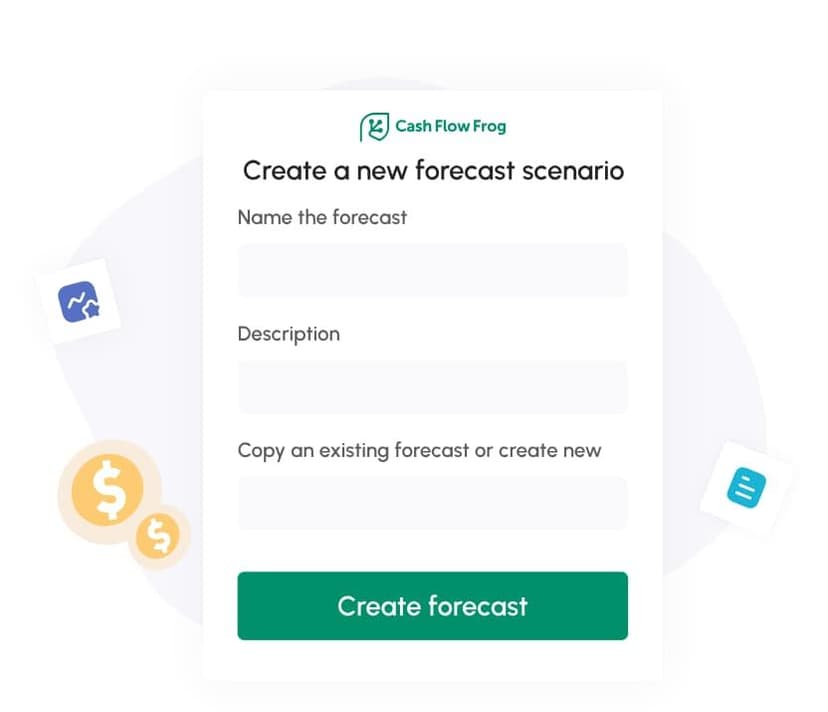
A practical financial forecasting tool can also be helpful at this stage because it lets you test different scenarios and see how changes in revenue or costs affect your KPIs before you commit to a new strategy.
Here’s a simple list to guide your selection:
- Identify the financial goals that matter most right now
- Select KPIs that directly influence those goals
- Confirm that you can track your KPIs without frustration
- Review them regularly so they evolve with your business
When you choose common financial KPIs that feel relevant and practical, they stop being numbers and start being decision-making tools. A clear list of financial KPIs also keeps your team aligned. Meanwhile, reviewing your company's financial metrics helps confirm that your KPIs match your actual financial needs. If you're in SaaS, some platforms even offer KPI templates made specifically for subscription businesses.
What Makes A Good KPI Key Qualities To Look For

Setting KPIs - Image | Shutterstock
A good KPI is specific, measurable, and relevant. It has a clear purpose and gives you information you can act on. Many teams use a financial dashboard to keep KPIs easy to see. If a KPI doesn’t help you make decisions, it’s probably not worth tracking.
How Often Should You Review Financial Metrics And KPIs
How often you review financial metrics depends on the pace of your business. Monthly works for some. Weekly works for others. The important part is consistency. Regular review strengthens planning and improves communication, especially through organized finance team reporting.
Common Mistakes Companies Make With KPIs
Mistakes usually come from tracking too many KPIs or choosing indicators that don’t support your goals. Another common issue is failing to update KPIs as your business grows. Keeping your KPIs relevant makes them much more effective.
How Cash Flow Frog Helps Track Financial Metrics And KPIs
Cash Flow Frog makes tracking financial metrics and financial KPIs simpler by giving you a clear, organized view of your financial activity. You can sign up here for free.
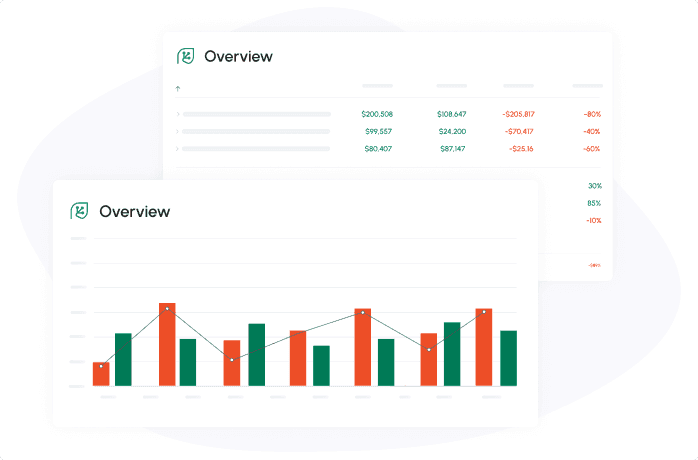
Many business owners also use it as financial reporting software because it turns your numbers into clean, easy-to-read reports that help you make sense of trends without getting lost in spreadsheets.
And if you still rely on Excel for parts of your process, the Excel integration lets you pull your data in cleanly and keep everything in one place.
The platform makes financial KPIs examples clear, keeps your financial KPIs & metrics updated, and helps you understand your company's financial performance metrics with less effort. It makes review sessions more organized and actionable.
Conclusion: Using KPIs To Guide Better Decisions
When you understand your key business financial metrics and review your financial KPIs regularly, running the business becomes clearer. In this guide, we looked at the numbers that matter most and how to choose KPIs that fit your goals, along with why consistent review helps you stay on track. It comes down to this. Your numbers show what is really happening in your business. Metrics give you the full picture. KPIs point you toward what needs attention.
You do not need to be a finance expert to benefit from clear financial KPIs & metrics. You only need a routine for reviewing them and the willingness to follow what the numbers are showing you. With the right measurements guiding your decisions, you build a stronger foundation, plan with more ease, and move your business toward long-term stability and growth.
How to Calculate Free Cash Flow (FCF): Formulas + Real Examples
Read more
The 3 Types of Cash Flow: What They Mean and Why They Matter
Read more
Cash Flow Forecasting Template
Read more

10 Cash Management Trends for 2026
Read more

10 Best Cash Flow Business Ideas: Build Income That Counts
Read more
Direct vs Indirect Cash Flow - Which Method Fits Your Business Better?
Read more
FAQ
Trusted by thousands of business owners
Start Free Trial Now