
What Is a Finance Charge? A Simple Explanation You’ll Actually Use
 Ariel Gottfeld
The finance charge definition is rather technical, yet it is used in financial decision-making in everyday life. The cost of credit or borrowing money is called a finance charge, and the cost applies to personal credit cards as well as to business loans. Learning about the finance charge meaning can save you surprises in the long run, give better control over cash flow, and make better decisions in terms of borrowing in the long run.
What Is a Finance Charge?
Any fee that you incur on borrowing money or paying after a later time than was agreed is known as a finance charge. It also involves interest, charges, fines, and other expenses associated with using credit. In other words, the finance charge meaning goes beyond interest alone. It represents the total price of accessing borrowed funds. For individuals, it often appears on credit card statements. For businesses, loan finance charges can quietly erode margins if they are not tracked carefully.
So, what is a finance charge? In simple terms, the definition of finance charge includes all borrowing-related costs, whether they are obvious or listed as a hidden finance charge in the fine print.
Why Finance Charges Exist
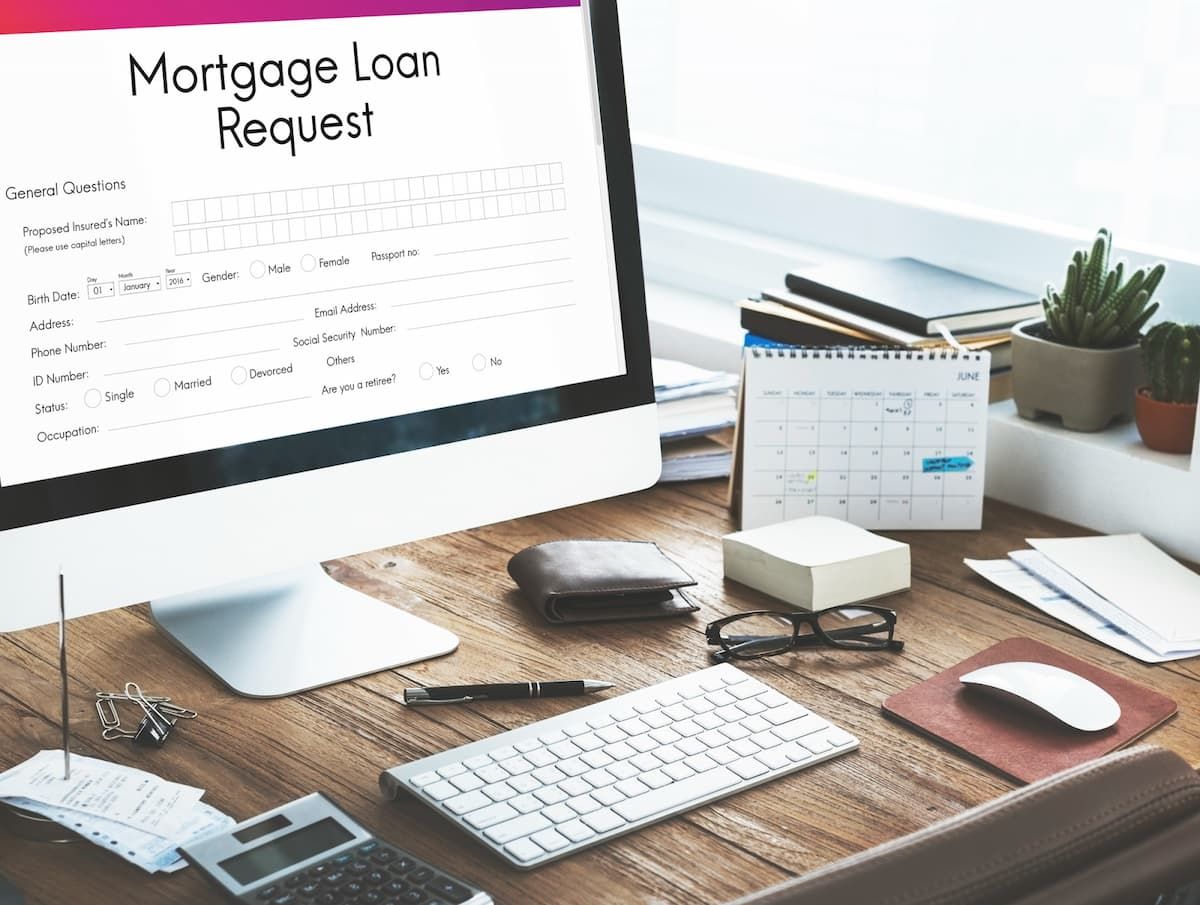 Image: Loan Application | Freepik
The costs of finance are used since lending money is risky, time-consuming, and involves operating costs. Lenders are using these charges as a way of covering their expenses and remaining in business as they keep providing credit products.
Compensation for lending risk
Every lender assumes risk when extending credit. Some borrowers pay late or default altogether. Finance charges help offset these losses and balance overall risk across customers.
As a result, higher-risk borrowers usually face higher finance charges. This pricing approach allows lenders to continue offering credit while managing uncertainty.
Administrative and processing costs
More often than not, loans and credit accounts require systems, staff, and compliance oversight. And even digital lending platforms incur operational costs. These expenses are often passed along through finance charges. However, service and processing fees help cover account setup, billing, customer support, and payment handling.
Encouraging timely payments
Finance charges also encourage responsible borrowing behavior. But late payment fees and compound interest discourage missed deadlines and prolonged balances. So, without these incentives, lenders would face higher delinquency rates and greater losses.
Types of Finance Charges

Image: Loan Interest | Freepik
There are several types of finance charges, and understanding them helps you identify unnecessary costs early.
Interest charges
Interest charges are the most common credit card finance charge. They apply when you carry a balance beyond the grace period. The thing is, interest rates vary based on creditworthiness and market conditions.
Late payment fees
Late payment fees apply when payments are missed or delayed. These charges often increase total finance charges quickly and may also trigger higher interest rates.
Service and processing fees
Some lenders charge flat fees for account maintenance, loan servicing, or payment processing. These fees apply regardless of balance size.
Cash advance fees
Cash advances usually carry immediate finance charges with higher interest rates. There is often no grace period, which makes them expensive.
Minimum finance charge
Some lenders apply a minimum finance charge even when the calculated interest is minimal. This ensures the lender earns a base return.
Foreign transaction fees
Foreign transaction fees apply when using a credit card abroad. These are everyday hidden finance charge items that many cardholders overlook.
What's the Difference Between Finance Charges and Interest Charges?
So, what is a finance charge, and how is it different from interest? Many are confused about these two. But once the functions of each are understood, it becomes simpler. So, here’s the deal. A finance charge comprises interest plus all other costs associated with the credit product. Now, interest is the cost of borrowing the principal amount alone.
Looking at interest charge and finance charge comparisons helps clarify this distinction. So, finance charges reflect the entire cost of borrowing. At the same time, interest is only a portion of the total. That’s why borrowers can compare loan offers more accurately and prevent unforeseen expenses because they know what finance charges are and how they differ from interest.
How Finance Charges Are Calculated

Image: Finance Charge Calculation | Freepik
Understanding how finance charges work requires knowing the calculation method used. Each lender applies a specific finance charge calculation method based on the product.
Average daily balance method
This method is common for credit cards. The lender averages your daily balance over the billing cycle and applies the interest rate. This finance charge formula rewards early payments and penalizes higher balances.
Fixed-fee structures
Some loan finance charges use fixed monthly fees instead of variable interest. This approach simplifies budgeting but can increase costs if balances are paid down early.
Compound interest effects
Compound interest applies interest to both the principal and previously accumulated interest. This causes finance charges to grow faster the longer a balance is carried.
- Credit card finance charge example: A $5,000 credit card balance at a 20% annual rate with daily compounding can generate roughly $80 to $85 in interest in a single month if no payments are made. Over several months, interest is charged on both the original balance and the prior interest, steadily increasing the total finance charge.
- Personal loan finance charge example: A $5,000 personal loan with a fixed 10% annual rate and simple interest produces predictable monthly finance charges. Because interest is calculated only on the remaining principal, the total cost is easier to forecast and typically lower than a revolving credit card balance.
If you want to know how to calculate finance charge amounts yourself, reviewing your statement disclosures is essential. Pairing this knowledge with accurate cash flow forecasting also helps you anticipate how compounding finance charges will affect future cash availability.
Real-World Examples of Finance Charges
A finance charge formula and example make the concept easier to understand by showing how finance charges apply to everyday borrowing decisions and real payment situations.
- A credit card accrues $70 in interest plus a $30 late fee. This often happens when only the minimum payment is made, and the due date is missed, increasing the total balance owed.
- A business loan includes a monthly interest and a servicing fee. These charges apply even when revenue is steady, reducing available operating cash each month.
- A cash advance adds an upfront fee and immediate interest. Because interest starts accruing the same day, the total finance charge grows quickly if the advance is not repaid promptly.
- A foreign transaction triggers a percentage-based fee on each purchase. This type of finance charge is common for international spending and often goes unnoticed until the statement arrives.
Through these examples, one can see how various finance charges add to a single cost that, in turn, helps borrowers realize the actual financial effect of using credit in addition to the stated interest rate.
How Finance Charges Affect Cash Flow

Image: Counting Cash | Freepik
Finance costs directly lead to the diminishment of cash. To businesses, these costs are constraints to their flexibility and reduce their growth rate if not managed. Even minor regular payments accumulate over a long period of time. It is necessary to plan proactively, particularly when a company is operating on thin margins.
High cash flow projections are useful to project finance charge costs prior to the development of liquidity issues. And this visibility allows businesses to adjust spending or financing decisions before cash shortages occur.
Finance Charges in Financial Statements
The cost of finance is incurred in income statements as interest expense or financing costs. They decrease operating or financing cash flow on cash flow statements of the cash flow.
Reporting finance charges separately will enhance the clarity of reporting. It also assists in determining areas for minimizing the cost of borrowing. The visibility of the financial decision allows for better decisions. This clarity also supports more accurate budgeting and long-term financial planning.
Common Misconceptions About Finance Charges
Many borrowers misunderstand finance charges because they focus on the interest rate and ignore the full spectrum of potential costs. You can read statements and compare credit options more accurately if these myths are debunked.
- Interest is the only cost: Interest is only one part of a finance charge. Late fees, service charges, cash advance fees, and foreign transaction fees can also be included, depending on the account terms.
- Minimum payments avoid charges: Minimum payments usually prevent a late fee. But they do not stop interest from accruing on the remaining balance. Paying only the minimum often increases the total finance charge over time.
- Fees are insignificant: Small fees add up, especially when they occur monthly or are triggered repeatedly. A few recurring charges can raise the effective cost of borrowing even if the interest rate looks reasonable.
- Compound interest has minimal impact: Compounding can increase costs faster than expected. It is because interest may be calculated on both the principal and previously added interest. The longer a balance is carried, the more the finance charge can grow.
Understanding how finance charges operate makes it simpler to manage the overall cost of borrowing and helps prevent these expensive assumptions.
How to Reduce Finance Charges

Image: Happy with Finance | Freepik
The first step in reducing finance charges would be to form regular habits and proper knowledge of the accumulation of borrowing costs. Minor changes in payment methods may also significantly reduce the total amount paid in the long run.
- Pay balances early: It is possible to pay ahead of the due date, which reduces the average daily balance and directly decreases the interest-related finance charges. Even incomplete prepayments may have an impact.
- Avoid cash advances: Cash advances usually come with higher interest rates and immediate finance charges. Avoiding them prevents costs that begin accruing the same day.
- Review statements monthly: Regular statement reviews help you catch unexpected fees, rising interest rates, or hidden finance charge items early. This allows you to address issues before costs compound.
- Negotiate loan terms: Lenders will also lower the interest rates or waive off some charges in case you have a good track record of paying. Negotiation will reduce ongoing financing costs without altering the loan structure.
- Refinance high-interest debt: Refinancing replaces expensive debt with lower-cost financing. This reduces both interest and long-term finance charge exposure.
Understanding how to calculate finance charge costs puts you in control of borrowing decisions. That control becomes even stronger when paired with reliable cash flow software, which helps you track financing costs, plan payments, and prevent finance charges from quietly draining your cash.
How to Improve Current Asset Management
Well-managed current assets minimize the use of borrowed money. Companies that are effective in managing receivables, payables, and inventory require less short-term financing. Better management of assets will reduce the cost of loan financing and balance the cash flow.
Want to Track Finance Charges and See Their Cash Flow Impact? Try Cash Flow Frog

Image: Happily Tracking Cash Flow | Freepik
Cash Flow Frog is a cash flow forecasting tool that helps businesses visualize how finance charges affect future liquidity and day-to-day cash availability. Instead of reacting after costs appear, teams gain clarity on how borrowing decisions influence cash flow over time.
With built-in forecasting tools, businesses can plan funding needs more strategically and reduce unnecessary credit card finance charge exposure. This makes it easier to balance growth, expenses, and financing without relying on guesswork.
Cash Flow Frog also supports better decision-making through customer insights and forecasting features. You can explore customer behavior insights here and learn more about advanced forecasting tools here.
Current Liabilities: Meaning, Examples, and How to Calculate Them
Read more
Current Assets Explained: Meaning, Types, and How They Work
Read more
Cash Flow Forecasting Template
Read more

Your Guide To Financial Metrics And KPIs
Read more

10 Cash Management Trends for 2026
Read more

10 Best Cash Flow Business Ideas: Build Income That Counts
Read more
FAQ
Trusted by thousands of business owners
Start Free Trial Now